
Top SCOME Events
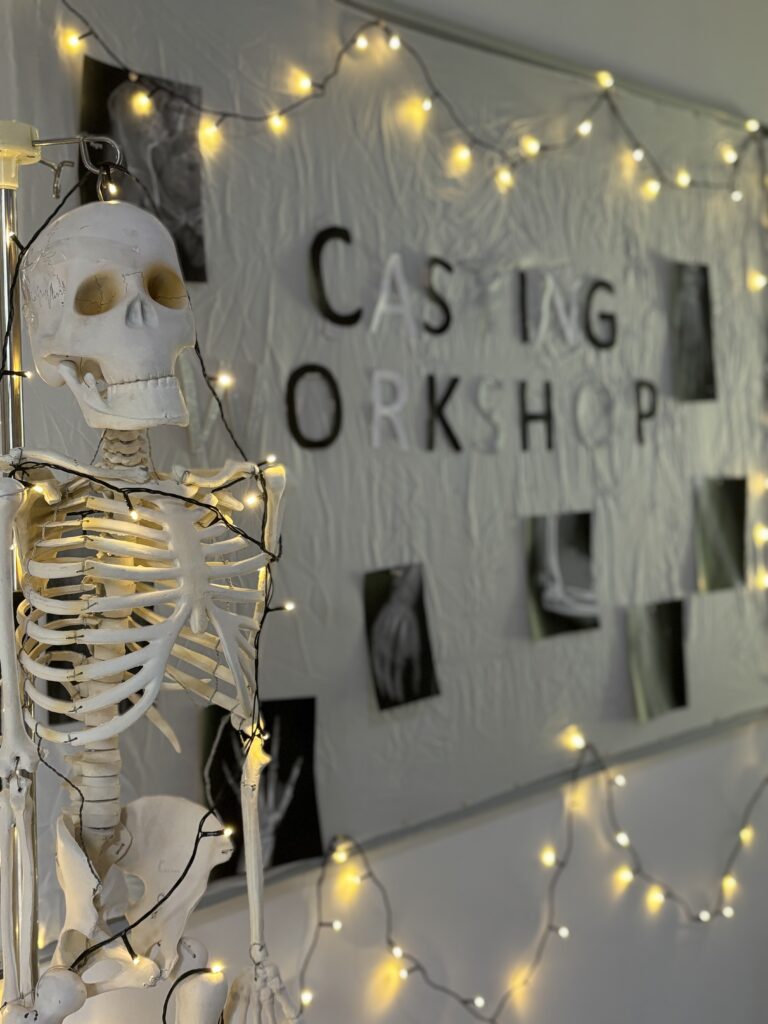
Casting Workshop
Objectives:
Understand the definition and key characteristics of fractures.
Define and explain the concept of dislocation.
Understand the nature, causes, and consequences of sprains.
Identify the indications and appropriate use of splints in treatment.
Methodology:
The Casting Workshop was a one-day event held at our college, consisting of two training sessions delivered by two physicians from Sohar Hospital.
The workshop was originally scheduled for February 24 but was moved to February 23 due to unforeseen circumstances.
The organization process faced several challenges, including the need to secure additional physicians and obtain the necessary casting materials. However, with the support of LOME, these challenges were successfully overcome, and the event was conducted effectively.
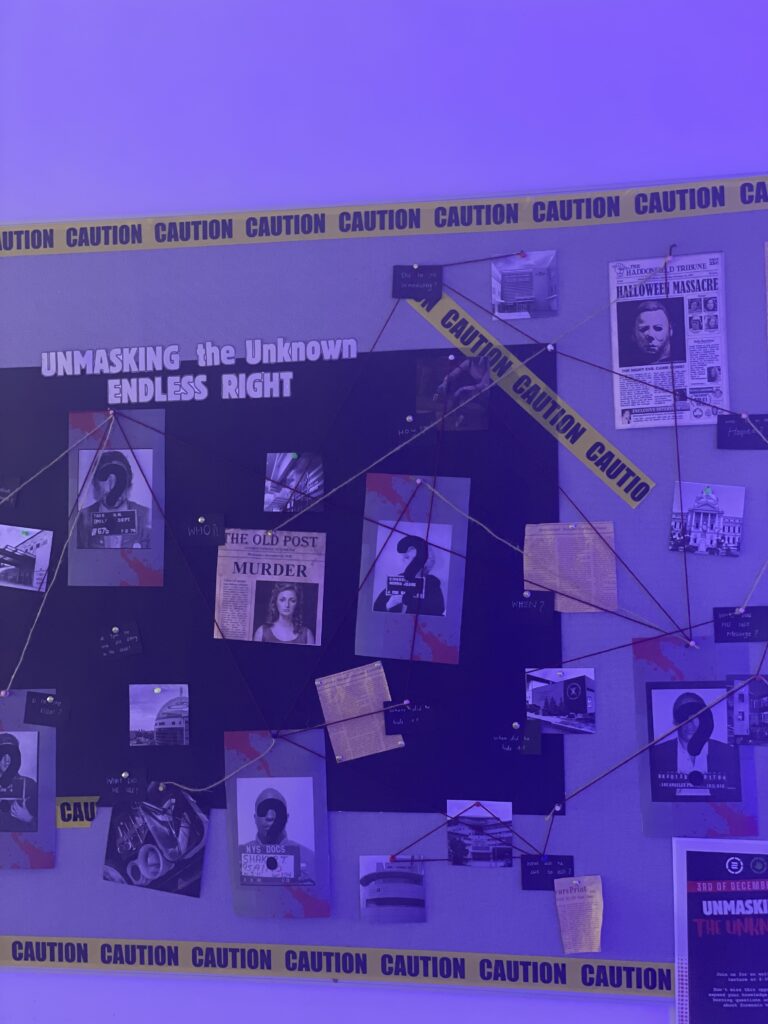
Uncovering the Truth
Location: Oman Hall and College Campus
Time: 10:30 AM – 8:00 PM
Methodology:
The event begins at 10:30 AM by dividing participants into three crime scenes. Each crime scene includes four groups, with each group consisting of three students. Participants are given five hours to solve the three cases.
At 4:30 PM, a lecture by Dr. Jamal takes place, covering crime scenes and other medical topics related to forensic medicine. Additionally, SCORP presents a segment addressing the ethical considerations in anatomy education.
Expected Outcomes:
Increased student awareness of forensic medicine as a medical specialty.
Understanding real-life medical causes of death.
Learning how to properly write a forensic medical report.
Strengthening awareness of ethical considerations in anatomy education, including respect for the rights of body donors.

Suturing Workshop
Event Objectives:
Discuss the essential surgical skills required for a surgeon.
Identify surgical instruments and equipment, including the differences between types of sutures and their uses.
Apply knowledge practically by performing surgical suturing techniques, including the Simple Interrupted suture and the Vertical Mattress suture.
Methodology:
“Master the Stitch” (Surgical Suturing Workshop) was a one-day workshop consisting of two training sessions, held at our college with the participation of three physicians from Sohar Hospital.
The workshop was originally scheduled for November 12 but was postponed to November 24 due to unforeseen circumstances. Some challenges were faced in securing a larger number of physicians; however, these were successfully resolved with the support of LOME.
Approximately 60 students participated in the workshop, where they learned fundamental surgical skills and practiced suturing techniques in a hands-on setting.
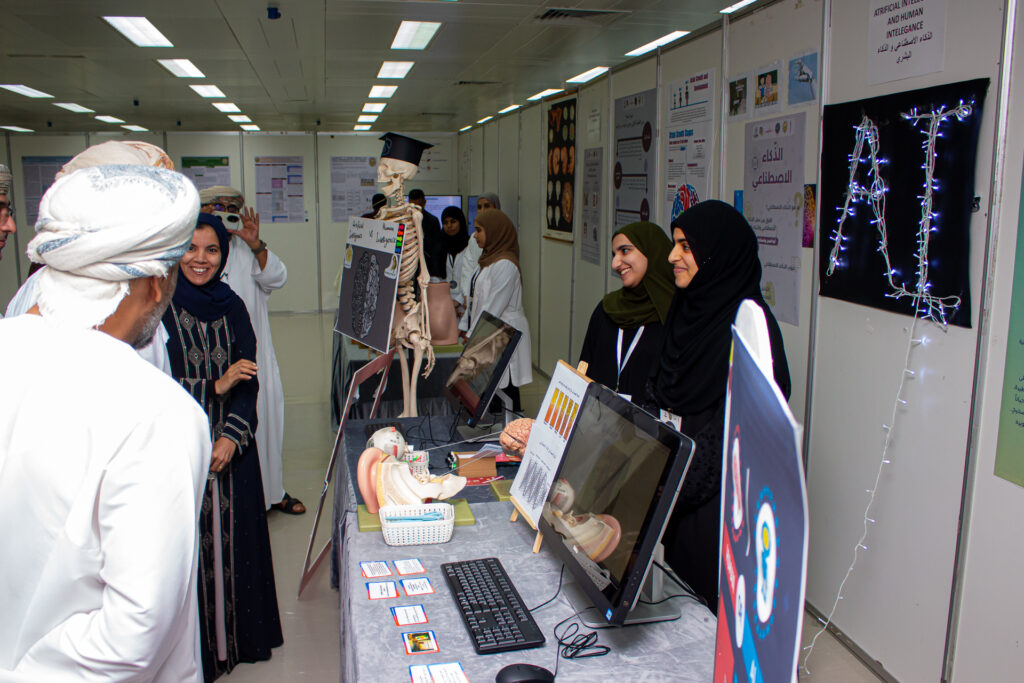
Anatomy Day
First: Challenges Faced During the Event
Delay in securing sponsorship or necessary funding, as well as delays in receiving printed materials due to administrative procedures within the college.
Postponement of the event due to incomplete required procedures within the designated timeframe.
Withdrawal of some team members, organizing parties, or supporting entities at the last minute.
Congestion at entry and exit points, especially with the presence of participants and guests from outside the university and the restrictions applied to their access.
Exceeding the planned participant capacity, which required on-site reorganization.
The need to search for a suitable venue that ensured availability on the required date and adequate capacity.
Concerns about exceeding the allocated budget, which required continuous monitoring of expenses.
Minor organizational or security issues that were addressed during the event.
Second: What Made the Event Unique and Attractive
The event’s comprehensive scope, covering multiple topics such as artificial intelligence, the human brain, mental health, and anatomy, with diverse and interactive stations.
Professional and visually engaging presentation of content through educational stations and models that captured attendees’ interest.
Engaging promotional campaigns prior to the event, which generated excitement among students from various disciplines and fields.
The Artificial Intelligence corner, which explored its impact on medicine and balanced its role alongside human practice, making it a highly compelling and impactful topic.
A diverse audience, including medical and non-medical students, as well as school students interested in the medical field, providing a rich educational and networking opportunity.
The creativity and enthusiasm of the organizing team, which contributed to a positive atmosphere and interactive experience.
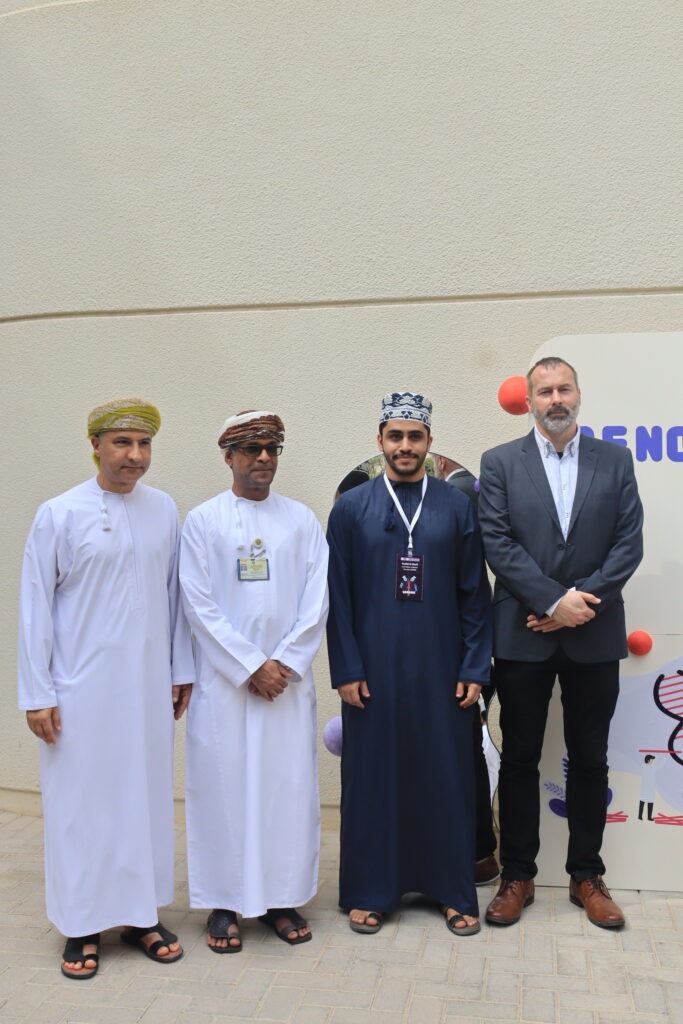
Genom
First: Challenges Faced During the Event
Limited preparation time and difficulty finalizing all details one day before the event, especially with multiple last-minute changes.
Withdrawal of some team leaders or officials before the event, and lack of commitment from certain individuals to their assigned roles, which required additional adjustments and modifications.
Printing issues: although materials were prepared a week in advance, the university printing process faced obstacles, along with content modifications and additions that required reprinting.
Delays in finalizing certain details due to updates or additions to the scientific stations and materials.
Minor security-related matters that were managed during the event.
Second: What Distinguished the Event and Made It Attractive
Diverse scientific content covering important topics such as:
Newborn screening using advanced hospital technology, introducing up-to-date medical knowledge to the community.
Awareness of premarital screening and its importance in reducing hereditary diseases.
Discussion of environmental and genetic diseases present in the community and approaches to managing them.
Educational stations highlighting rare diseases to increase awareness among students and attendees.
High relevance of topics to students and the community, addressing issues that directly impact their daily lives and families, which increased engagement and interaction.
A qualitative addition to health awareness, presenting topics that had not been widely discussed in previous university events, making the event fresh, informative, and impactful.